
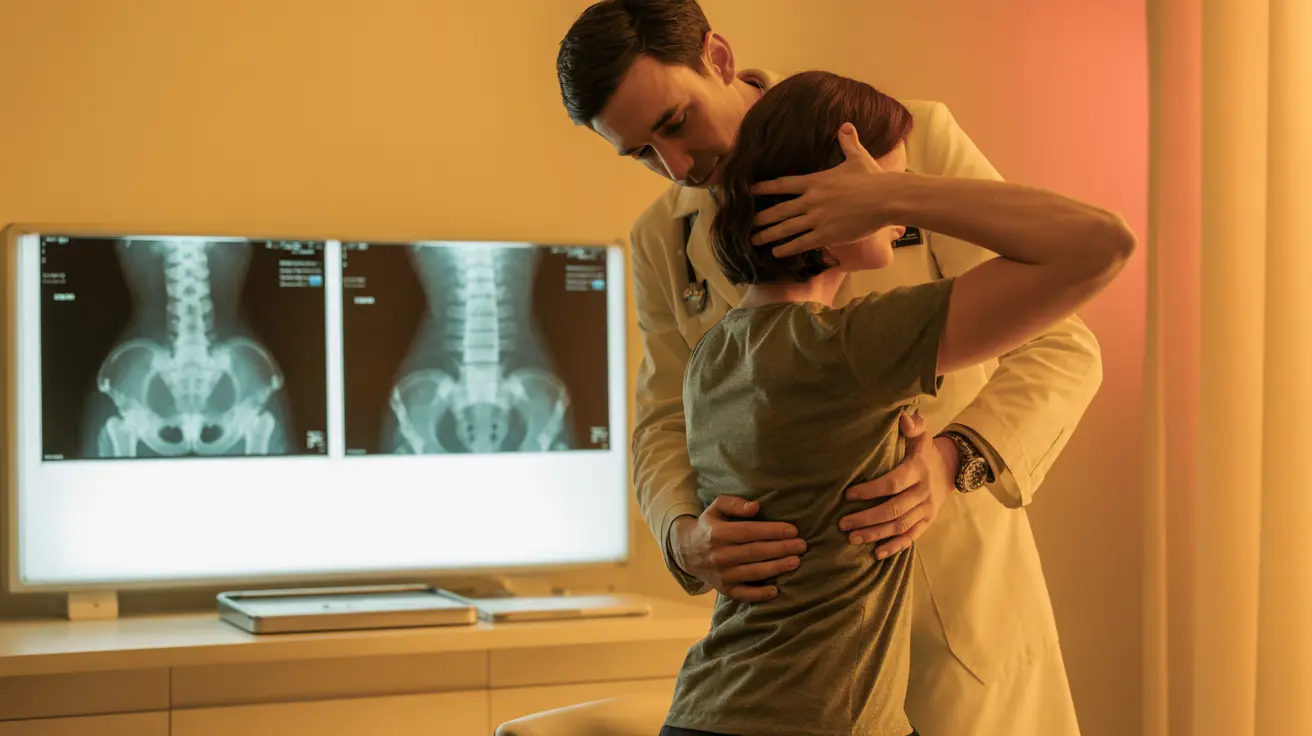
That Deep Back Stiffness Every Morning Is
Not Just a Bad Mattress.
Because back pain that is worst in the morning and eases with movement is not a mechanical problem. It is inflammation.
Stiffness for over 30 minutes each morning, pain that improves when you move and worsens with rest, aching hips and buttocks — these are the classic signs of inflammatory spine disease, not a slipped disc or a soft mattress. Painkillers alone let the inflammation keep working silently.
This Is What Living With Inflammatory Back Pain Actually Feels Like
You wake up stiff every morning and it takes 30-60 minutes of moving around before your back loosens.
The pain gets worse when you rest and better when you move — the opposite of ordinary back strain.
Deep pain in the lower back, hips, and buttocks wakes you in the second half of the night.
You feel exhausted all the time, and sometimes your eyes, gut, or other joints flare too.
The doctor called it muscle pain or a disc issue and gave painkillers that only work for a few hours.
Nobody checked HLA-B27, inflammation markers, or your gut — the things that actually drive this.
If even two of these are true, this is not ordinary back pain. It is inflammation — and calming it early protects your spine.
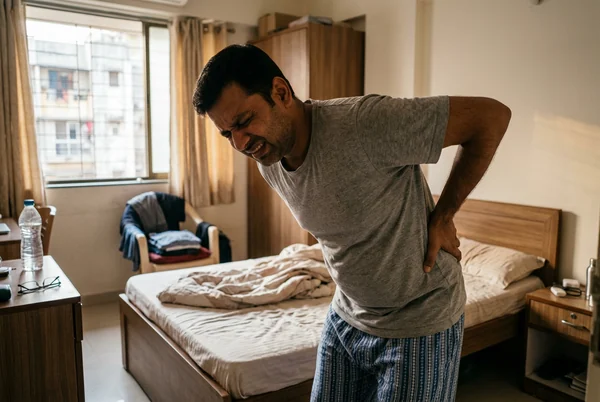
"For years I thought it was a bad back. Nobody told me it was inflammation fusing my spine until real damage had started."
— What most patients told us at their first visit
What Most Doctors Are Not Investigating
Standard care names the condition and prescribes painkillers or a biologic. These deeper investigations reveal WHY the immune system is attacking your spine:
HLA-B27 & Genetic Risk
HLA-B27 is the strongest genetic marker for ankylosing spondylitis and guides how aggressively to protect the spine. It is often not tested when back pain is dismissed as mechanical.
Gut Health & Microbiome
Inflammatory spine disease is closely tied to gut inflammation and a leaky, imbalanced gut. Correcting the gut can calm the immune activation — yet the gut is almost never examined.
Inflammation Deep Panel
ESR, hs-CRP, and other markers show how active the inflammation is. Tracking them tells us whether the disease is truly controlled — not just whether pain is masked.
Vitamin D & Bone Health
Vitamin D deficiency worsens inflammation and bone quality. Since this condition affects bones and joints directly, correcting it is essential — and often overlooked.
Full Systemic Screen
This disease can also inflame the eyes, gut, skin, and other joints. A whole-body screen catches flares early instead of treating the back in isolation.
Sleep, Stress & Fatigue
Chronic inflammation drives deep fatigue and poor sleep, which in turn worsen inflammation. This cycle is rarely addressed in standard spine care.
Inflammatory Spine Disease Does Not Wait. It Progresses.
Left with only painkillers, inflammation moves from stiffness to permanent fusion. Early action makes the biggest difference to your mobility.
Morning Stiffness
Persistent morning back stiffness and dull ache that eases with movement. Often dismissed as a bad mattress or muscle strain — but this is when action helps most.
Best window to intervene
Active Inflammation
Night pain, hip and buttock pain, fatigue, and reduced flexibility. Inflammation markers are high. The disease is clearly active now.
Can be well controlled
Structural Change
Reduced spine movement, early bone changes on imaging, difficulty bending and twisting. Posture starts to change.
Can slow and stabilize
Spinal Fusion
Segments of the spine fuse, causing a stooped, rigid posture and permanent loss of mobility. What began as stiffness is now life-altering.
Requires deep support
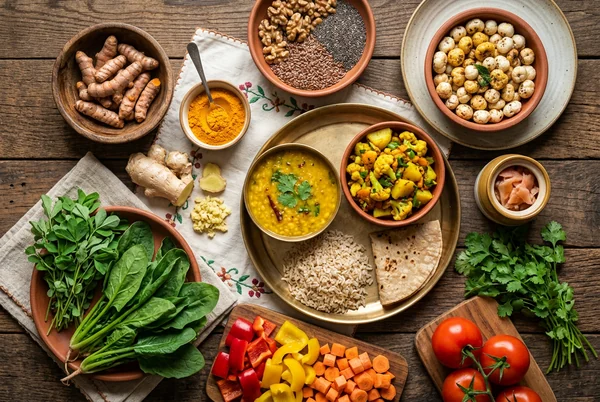
Your Kitchen Can Calm Inflammation a Painkiller Cannot
Inflammatory spine disease is closely tied to gut health and systemic inflammation — and food is one of your most powerful tools. When we heal the gut and lower inflammation, the immune attack on your spine eases. We do not give a generic diet — we build an anti-inflammatory, gut-healing food map based on YOUR markers.
- Omega-3 rich foods (flaxseed, walnuts, fish) to lower inflammation
- Turmeric, ginger, and antioxidant-rich vegetables
- Gut-healing foods and fibre to restore the microbiome
- Reducing trigger foods that drive gut and joint inflammation
The 3F Spine Protection Protocol
Not a single painkiller. A root-cause reset that addresses the gut, inflammatory, and movement drivers of spine disease — from inside out.
Food Optimization
Anti-inflammatory, gut-healing nutrition
- Omega-3 and antioxidant-rich Indian meals
- Gut microbiome restoration and fibre
- Vitamin D and bone-supporting nutrients
- Identifying and reducing trigger foods
Fasting Protocol
Metabolic reset to lower inflammation
- 16:8 intermittent fasting to calm inflammation
- Autophagy activation — cellular clean-up
- Gut rest and repair windows
- Doctor-supervised and personalized
Fitness & Mobility Integration
Movement that protects and frees the spine
- Daily spine mobility and posture exercises
- Breathing and chest-expansion routines
- Strength work to support the back safely
- Wearable-tracked activity, sleep, and stiffness
Standard Spine Care vs. Mayura
This is not criticism. Most clinics manage pain with drugs. We address the gut and inflammatory drivers behind the disease.
What Happens at Most Clinics
- ✕Painkillers and anti-inflammatories to mask symptoms.
- ✕Straight to strong biologics without addressing root causes.
- ✕No testing of gut health, HLA-B27, or inflammation trends.
- ✕No nutrition, gut, or lifestyle strategy to calm inflammation.
- ✕Stiffness and fusion progress while pain is only masked.
What Happens at Mayura
- Gut health, HLA-B27, vitamin D, and inflammation mapped on day one.
- Correct the drivers — gut inflammation, deficiencies, trigger foods.
- Anti-inflammatory nutrition + Ayurvedic and mobility protocol.
- Work alongside your existing medication — never stop it abruptly.
- Goal: calm inflammation and protect spine mobility — not just mask pain.
Your First 16 Weeks at Mayura
Not a generic plan. This is what actually happens — tracked with lab markers, mobility scores, and stiffness diaries.
Spine & Inflammation Mapping
HLA-B27, ESR, hs-CRP, vitamin D, gut assessment, and a full mobility and posture baseline. Inflammatory drivers are identified.
Your Protocol Begins
Anti-inflammatory, gut-healing nutrition started. Vitamin D corrected. Spine mobility routine and Ayurvedic support introduced. Existing medication continued safely.
First Stiffness Shift
Morning stiffness often shortens and night pain begins to ease. Sleep improving. Inflammation markers beginning to move in the right direction.
Visible Improvement
Mobility, flexibility, and energy often improve. Flares become less frequent. Many patients report meaningful day-to-day changes.
Inflammation Recheck
Full lab recheck. Inflammation markers and mobility scores compared to baseline. Protocol refined for sustained spine protection.
Sustained Protection
Quarterly monitoring keeps inflammation controlled. Maintenance protocol supports long-term mobility. The disease is now managed at the root — not just medicated.
Start Protecting Your Spine Today. For Free.
Register on our patient portal and get instant access to tools that help you understand and calm inflammatory back pain — before your next visit.
AI Anti-Inflammatory Diet
Gut-healing Indian meals designed for YOU
Spine Mobility Plan
Daily posture and flexibility routines
AI Health Assistant
Ask any spine-care question. Track symptoms.
Stiffness Tracker
Log morning stiffness, pain, and mobility over time
Inflammation Risk Quiz
Check the reversible drivers behind your pain
Daily Spine Plan
What to eat, how to move, how to sit. Daily.
For every registered patient
You Should Consult at Mayura If...
You have back stiffness that is worst in the morning and eases with movement
Your back pain gets worse with rest and better with activity
You get deep pain in the lower back, hips, or buttocks, often at night
You were told it is muscle pain or a disc issue with only painkillers offered
Your HLA-B27, inflammation markers, and gut health were never checked
You also have fatigue, eye inflammation, gut problems, or other joint pain
You want to calm the inflammation and protect mobility — not just mask pain
You are on a biologic or NSAIDs and want to address root causes alongside them
Frequently Asked Questions
Explore Related Conditions & Programs
Many health conditions share root causes. See what else Mayura Hospitals can help you with.
Related Conditions
Conditions that share similar root causes
Recommended Programs
Curated care plans for your journey
Take the First Step Towards Better Health
Do not wait for spine and joint inflammation to progress further. Early assessment can help identify the root cause and guide you to a better path.
ఉదయం వెన్ను బిగుసుకుపోవడం మామూలు నొప్పి కాదు — inflammation ను తగ్గించి వెన్నెముకను కాపాడవచ్చు.
Medical Disclaimer: The information provided on this page is for educational purposes only and is not intended as medical advice. Individual results may vary. Treatment outcomes depend on the patient's condition, severity, duration, and response to care. All treatment plans are developed after a thorough doctor evaluation. Medication adjustments are made only under medical supervision. Mayura Hospitals does not guarantee specific results or claim to cure any disease. Please consult our doctors for personalized assessment and care.