
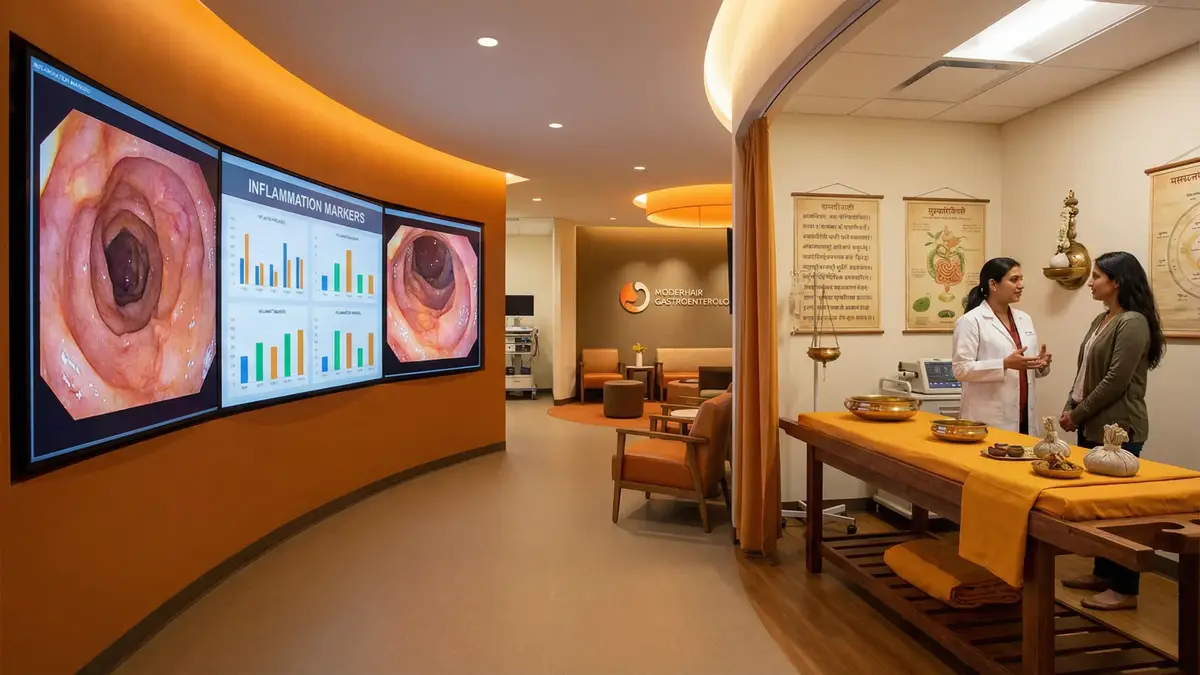
Your Gut Is Inflamed.
Steroids Are Not the Only Answer.
Because IBD is not just a bowel problem. It is an immune system attacking your own gut lining.
Bloody stools, urgent trips to the bathroom, cramping, fatigue — these are signs of an autoimmune fire in your gut. Steroids calm the flare while the underlying triggers keep the inflammation burning, waiting for the next relapse.
This Is What Living With IBD & Colitis Actually Feels Like
You map every outing by where the bathrooms are. The sudden, urgent cramping controls your entire day.
You have seen blood in your stool. Some days you go ten times; some days you cannot leave the house at all.
You are exhausted and losing weight. The inflammation is draining you, and you feel it steal your energy.
The steroids helped the flare — but the side effects piled up, and the moment you tapered, it came back.
You are scared of the long-term drugs, the possibility of surgery, and what your gut will be like in ten years.
Nobody has looked at your microbiome, your food triggers, or your gut barrier. Just stronger drugs each flare.
If even two of these are true for you, your IBD is not just a bowel problem. It is an immune and microbiome imbalance that can be addressed at the root.
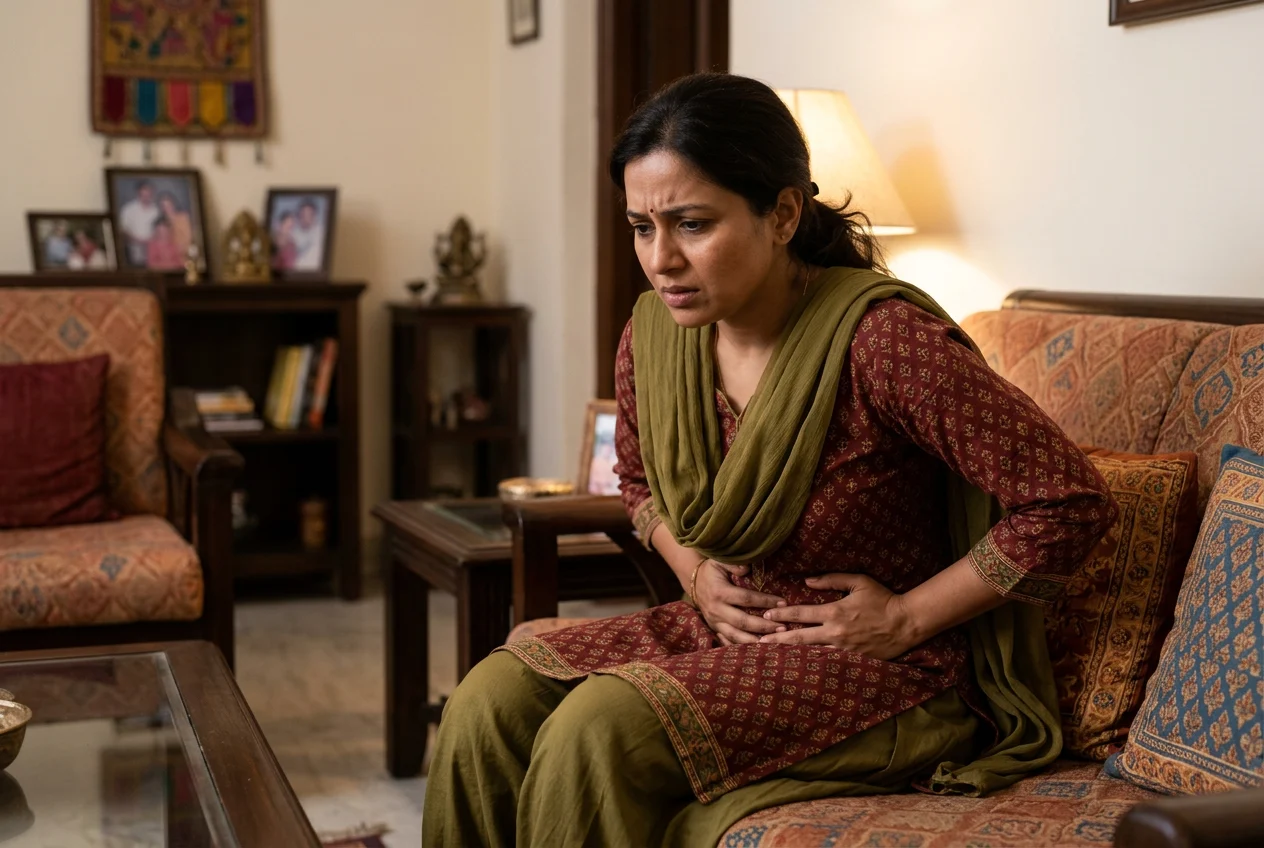
"Every time I stopped the steroids, the colitis came back. Once we fixed my gut and food triggers, remission finally held."
— What many of our IBD patients told us after treatment
What Most Gastroenterologists Are Not Investigating
Your gastroenterologist confirms the diagnosis and manages flares. These deeper investigations reveal WHY your gut keeps inflaming — and how to hold remission:
Microbiome & Gut Flora Analysis
An imbalanced microbiome is central to IBD. Rebalancing gut flora is one of the most powerful ways to calm inflammation — yet it is almost never analyzed in standard care.
Gut Barrier & Leaky Gut
A damaged intestinal barrier lets triggers through and fuels the immune attack. Testing and repairing the barrier is key to lasting remission.
Food Trigger Mapping
Specific foods silently drive flares in IBD. Standard care rarely identifies YOUR personal dietary triggers that keep the fire burning.
Nutritional Deficiency Panel
IBD depletes iron, B12, vitamin D, and protein through malabsorption. These deficiencies worsen fatigue and healing — and are often undertested.
Stress & Gut-Brain Axis
The gut-brain connection strongly influences IBD flares. Chronic stress dysregulation is a major driver that medication never addresses.
Inflammation Deep Panel
Beyond CRP — faecal calprotectin, hs-CRP, and immune markers show how active the gut inflammation really is and how well remission is holding.
IBD Does Not Wait. It Damages.
Left with only flare control, IBD progresses from occasional symptoms to chronic damage, complications, and surgery.
Early Symptoms
Occasional loose stools, mild cramping, and urgency. You blame it on food or stress. Symptoms come and go, so it is easy to ignore.
Can calm in 8-12 weeks
Active Flares
Bloody stools, frequent urgent bathroom trips, cramping, and fatigue. Steroids give partial, temporary relief before symptoms return.
Can achieve remission
Chronic Inflammation
Frequent relapses, weight loss, and malnutrition. Stronger immunosuppressants are added. The gut lining sustains ongoing damage.
Can slow and stabilize
Complications & Surgery
Strictures, fistulas, or severe damage may require surgery. Quality of life is heavily affected by an uncontrolled disease.
Requires deep intervention
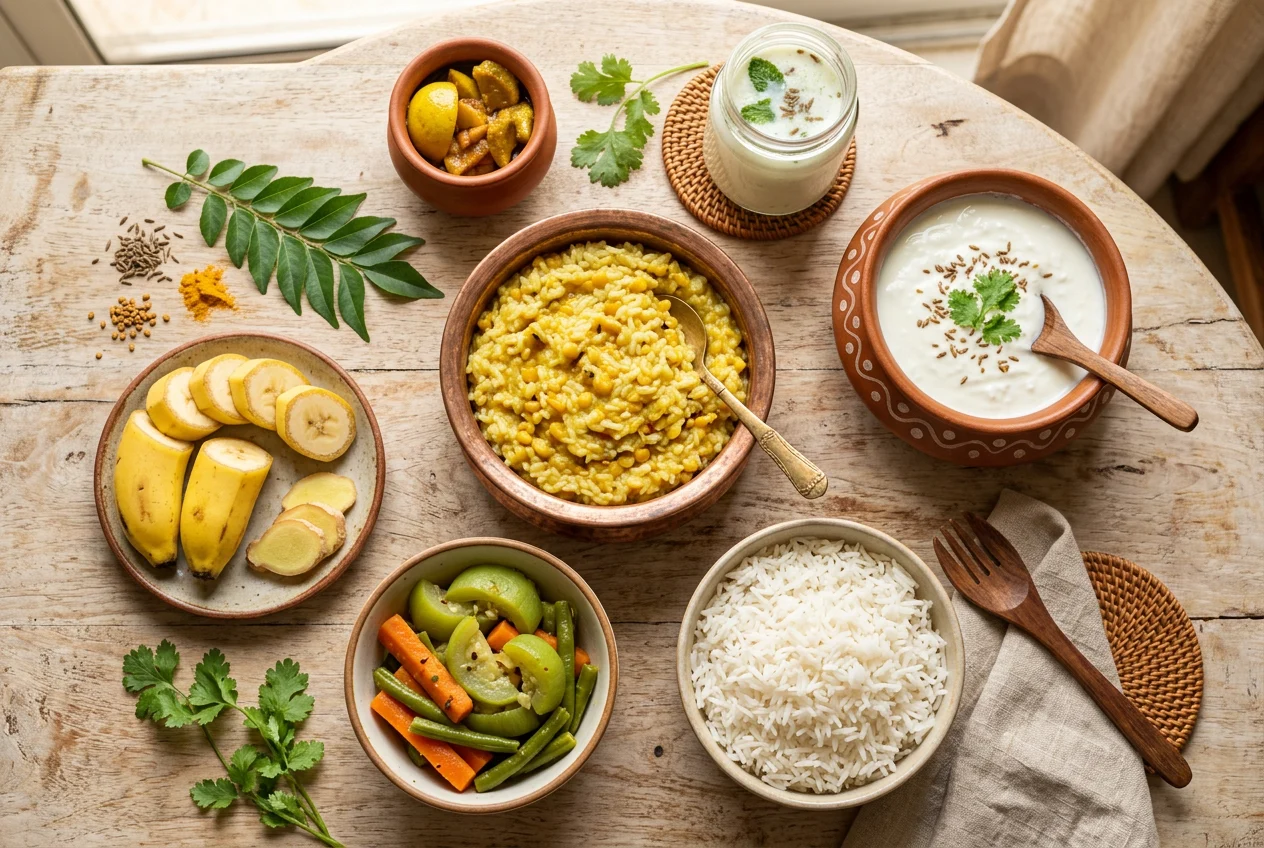
Your Kitchen Can Cool the Inflammation Steroids Only Mask
IBD is inflammation-driven — and food is one of the most powerful tools to calm it. When we remove your personal triggers, rebuild your microbiome, and heal the gut barrier, flares become rarer and remission holds. We do not give you a generic diet — we build YOUR gut-healing food map based on YOUR triggers and stage.
- Trigger-food elimination based on your personal sensitivities
- Gut-healing, easy-to-digest Indian meals during and after flares
- Microbiome-supporting fermented and prebiotic foods (when tolerated)
- Anti-inflammatory spices like turmeric and nutrient-dense recovery meals
The 3F Gut Healing Protocol
Not lifelong steroids. A root-cause reset that rebalances your microbiome, repairs your gut barrier, and calms the immune fire driving your colitis.
Food Optimization
Gut-healing nutrition, not endless restriction
- Trigger-food elimination based on your sensitivities
- Gut-barrier repairing and microbiome-supporting foods
- Nutrient-dense meals to reverse deficiencies
- Anti-inflammatory Indian recipes for flares and remission
Fasting Protocol
Gut rest and metabolic reset
- Gentle, gut-appropriate fasting windows for repair
- Autophagy activation — cellular cleanup and healing
- Reduced digestive load during recovery phases
- Doctor-supervised and adapted to your disease activity
Fitness & Stress
Movement and calm for the gut-brain axis
- Gentle, energy-appropriate movement and yoga
- Stress-reduction to calm gut-brain-driven flares
- Sleep optimization to support immune balance
- Wearable-tracked activity, stress, and recovery
Your Gastroenterologist vs. Mayura
This is not criticism. Gastroenterology is essential, especially in severe disease. But most IBD care manages flares without addressing the microbiome and triggers behind them.
What Happens at Most Clinics
- ✕Steroids and immunosuppressants to control the flare.
- ✕Stronger biologics and drugs as the disease progresses.
- ✕No analysis of the microbiome, gut barrier, or food triggers.
- ✕"It is autoimmune, it is lifelong" — no root-cause search.
- ✕Doses keep rising while flares keep returning.
What Happens at Mayura
- Microbiome, gut barrier, food triggers, and nutrition mapped on day one.
- Rebalance gut flora + repair the barrier → calm the immune attack.
- Gut-healing Ayurvedic protocol + trigger elimination.
- Work alongside your existing medication — never stop it abruptly.
- Goal: stable, medication-light remission — not endless dose escalation.
Your First 12 Weeks at Mayura
Not a generic plan. This is what actually happens — tracked with inflammation markers, symptom diaries, and gut health assessments.
Gut & Immune Mapping
Microbiome analysis, gut barrier assessment, food trigger mapping, faecal calprotectin and inflammation panel, and nutritional deficiency testing. Your personal IBD drivers are identified.
Your Protocol Begins
Trigger-food elimination started. Gut-healing and microbiome-repair protocol initiated. Nutrient deficiencies corrected. Gut-healing Ayurvedic herbs begun. Existing medication continued safely.
First Inflammation Shift
Faecal calprotectin and inflammation markers trending down. Bathroom urgency and frequency reducing. Energy improving. Cramping settling.
Visible Relief
Bleeding and urgency measurably reduced. Weight and appetite recovering. Many patients begin reducing steroid reliance under supervision.
Remission Checkpoint
Full recheck. Inflammation markers compared to baseline. Symptom scores reassessed. Many patients reach stable remission. Medication tapering discussed with your doctor.
Sustained Remission
Ongoing monitoring keeps inflammation controlled. Maintenance protocol prevents flares. Your gut health is now managed at the root — not just medicated through each relapse.
Start Healing Your Gut Today. For Free.
Register on our patient portal and get instant access to tools that help you understand and calm your IBD — before your next flare.
AI Gut-Healing Diet
IBD-friendly Indian meals designed for YOUR triggers
Flare & Symptom Tracker
Log stools, urgency, and cramping over time
AI Health Assistant
Ask any IBD question. Understand your reports.
Food Trigger Journal
Identify which foods set off your flares
Gut Health Quiz
Check how your microbiome may be driving symptoms
Daily Gut Plan
What to eat, what to avoid, how to calm your gut
For every registered patient
You Should Consult at Mayura If...
You have been diagnosed with ulcerative colitis or Crohn’s disease
You experience frequent, urgent, or bloody stools
Your flares keep returning every time you taper off steroids
You have cramping, fatigue, weight loss, or reduced appetite
You are worried about long-term drugs, biologics, or surgery
Your microbiome, gut barrier, and food triggers have never been investigated
You want stable, lasting remission — not just flare-to-flare firefighting
You also have nutrient deficiencies or other digestive issues
Frequently Asked Questions
Explore Related Conditions & Programs
Many health conditions share root causes. See what else Mayura Hospitals can help you with.
Related Conditions
Conditions that share similar root causes
Recommended Programs
Curated care plans for your journey
Take the First Step Towards Better Health
Do not wait for IBD and ulcerative colitis to progress further. Early assessment can help identify the root cause and guide you to a better path.
పదే పదే flare-ups tho వేగిసిపోయారా? root-cause తో gut ని inflammation తగ్గించి stable remission సాధించవచ్చు.
Medical Disclaimer: The information provided on this page is for educational purposes only and is not intended as medical advice. Individual results may vary. Treatment outcomes depend on the patient's condition, severity, duration, and response to care. All treatment plans are developed after a thorough doctor evaluation. Medication adjustments are made only under medical supervision. Mayura Hospitals does not guarantee specific results or claim to cure any disease. Please consult our doctors for personalized assessment and care.