
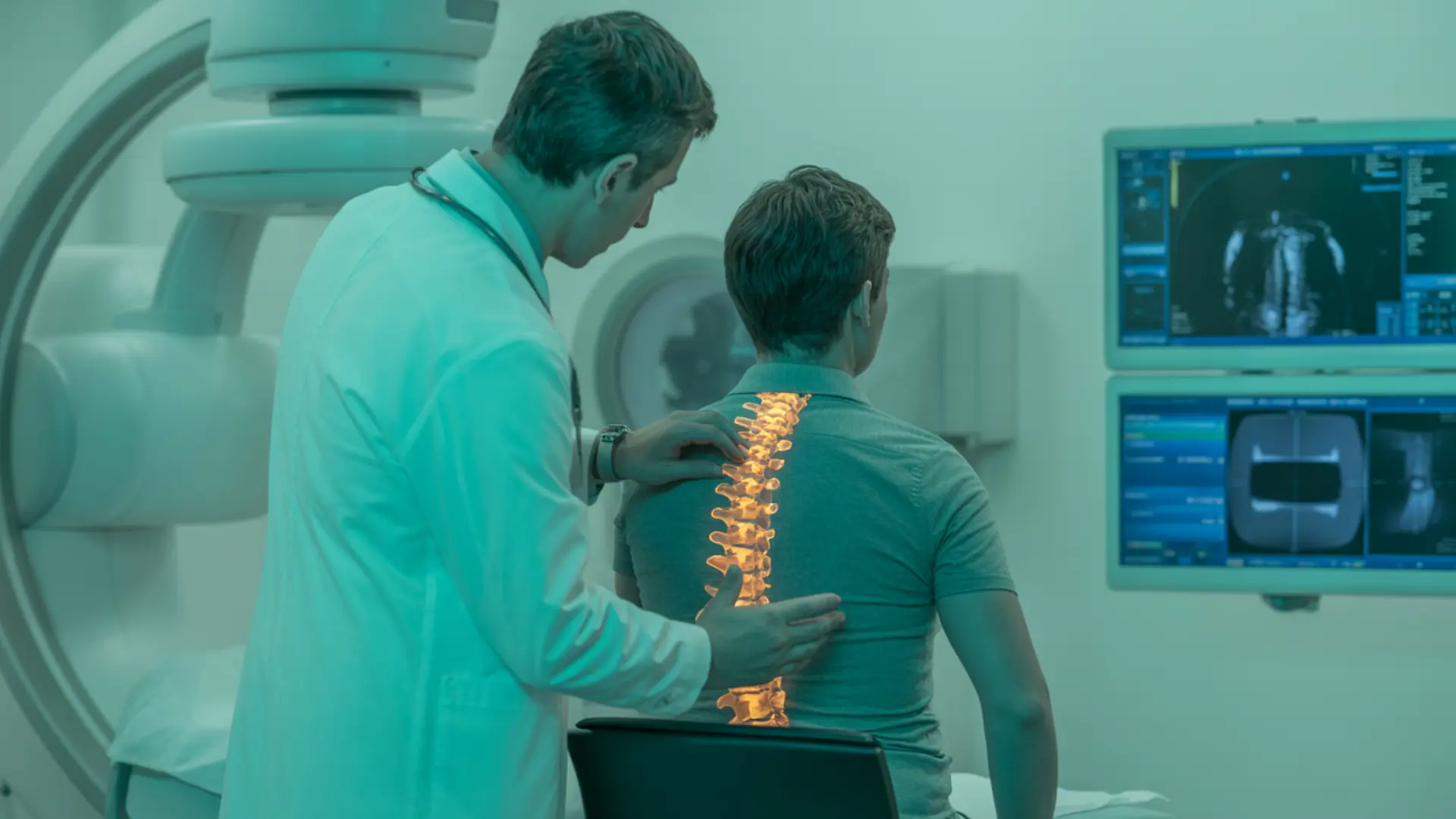
Your Back Hurts Every Day.
Surgery Is Not Your Only Option.
Because most back pain is not a disc problem. It is a movement, muscle, and inflammation problem.
Chronic back and neck pain, sciatica, stiffness — these are rarely fixed by painkillers or rushed surgery. In most cases, the real drivers are weak core muscles, poor posture, inflammation, and nerve irritation that were never properly assessed.
This Is What Living With Chronic Back Pain Actually Feels Like
You wake up already stiff. Getting out of bed, bending to tie your shoes, or sitting for a meal has become a careful, painful negotiation.
By afternoon your lower back is on fire. Standing too long, sitting too long — everything hurts, and there is no comfortable position.
The pain shoots down your leg (or arm). Numbness, tingling, weakness — it scares you, and it is getting harder to ignore.
Painkillers and muscle relaxants worked at first. Now you need them just to get through the day, and your stomach is paying the price.
A doctor showed you the MRI and said "disc bulge — you may need surgery." You are terrified, and nobody explained the alternatives.
Nobody checked your core strength, your posture, your inflammation, or how you move. Just scans, pills, and a surgery referral.
If even two of these are true for you, your back pain needs a root-cause plan — not a rushed trip to the operating table.
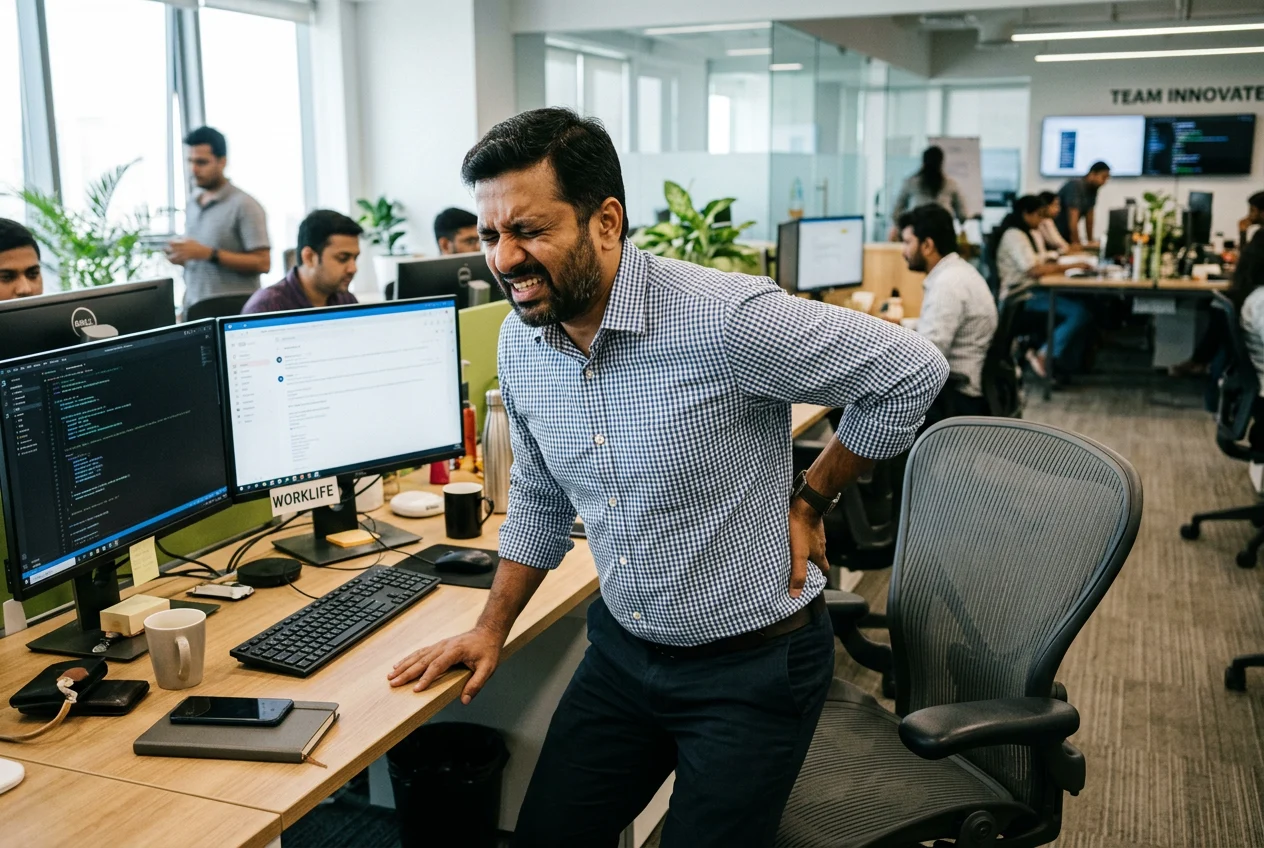
"They told me I needed spine surgery. Six weeks of the right rehab and my pain was 80% gone. No surgery."
— What many of our spine patients told us after treatment
What Most Spine Clinics Are Not Investigating
A scan and a prescription miss most of the picture. These deeper assessments reveal WHY your back keeps hurting — and whether you can heal without surgery:
Core & Postural Assessment
Weak deep core muscles and poor posture are the leading cause of chronic back pain. Almost no clinic actually tests how your spine is supported and how you move.
Movement & Gait Analysis
How you sit, stand, bend, and walk directly loads your spine. Faulty movement patterns keep re-injuring your back — and are never assessed by a scan.
Inflammation Panel
Chronic low-grade inflammation amplifies pain and slows healing. hs-CRP and metabolic markers reveal a driver that painkillers only mask.
Bone & Vitamin D Status
Low vitamin D, calcium, and bone density weaken the spine and slow recovery. These are rarely checked before recommending surgery.
Nerve Involvement Mapping
Genuine nerve compression needs a different plan than muscular pain. Careful clinical mapping — not just an MRI — tells us what is really driving your symptoms.
Stress & Sleep Patterns
Chronic stress and poor sleep heighten pain perception and muscle tension. This mind-body driver is central to recovery and almost always ignored.
Back Pain Does Not Wait. It Compounds.
Left with only painkillers, back pain progresses from occasional stiffness to nerve damage, disability, and irreversible degeneration.
Occasional Stiffness
Your back aches after long sitting or heavy lifting, then settles. You stretch, pop a pill, and carry on. You blame the mattress or the chair.
Can resolve in 4-6 weeks
Persistent Pain
Pain becomes daily. Certain movements are dreaded. Painkillers and muscle relaxants become a routine just to function.
Can recover fully
Nerve Involvement
Pain radiates into the leg or arm with numbness, tingling, or weakness. A disc issue is confirmed. Surgery is suggested.
Often still avoidable
Chronic Disability
Constant pain, limited mobility, and dependence on medication or repeated procedures. Daily life and work are severely affected.
Requires deep intervention
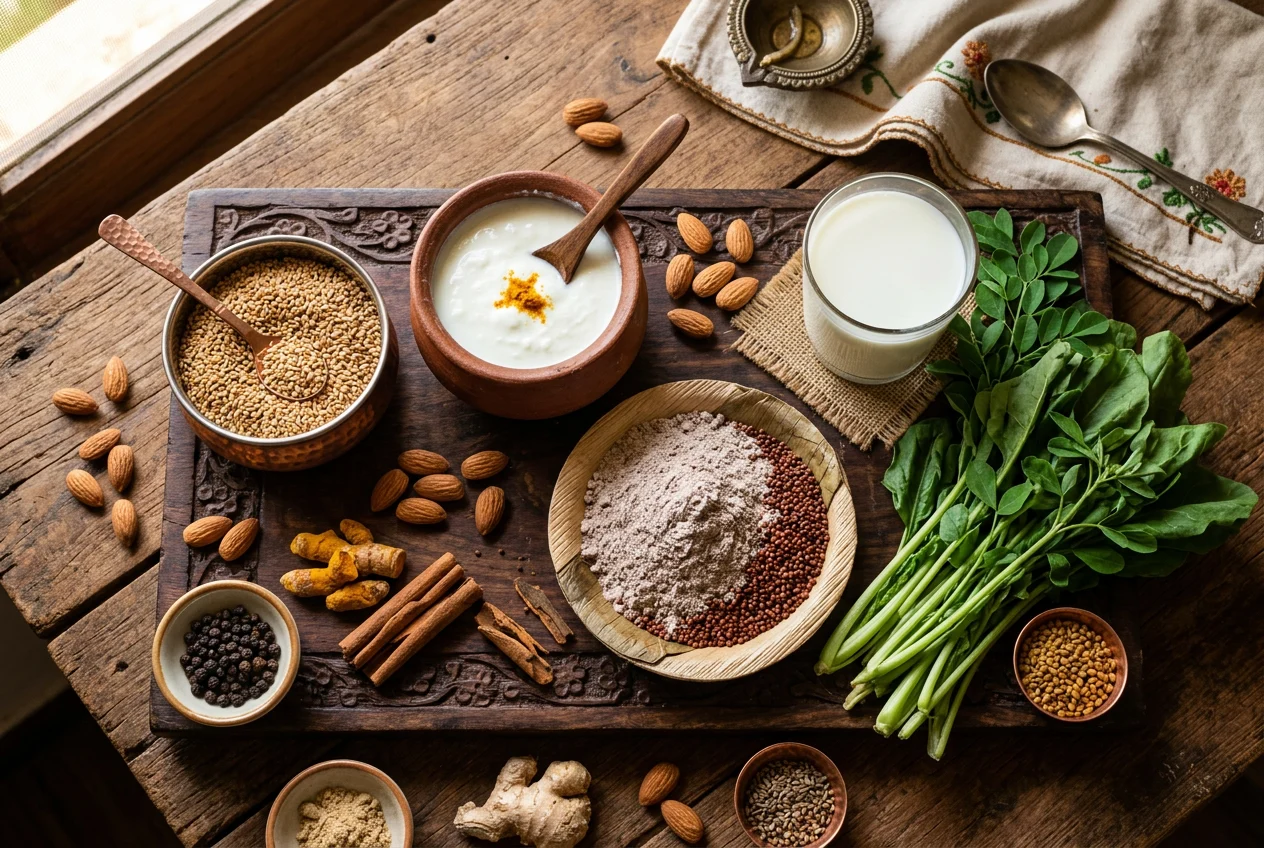
Your Kitchen Can Support the Healing Painkillers Only Mask
Chronic back pain is amplified by inflammation and weakened by poor bone and muscle nutrition. The right foods reduce inflammation, strengthen your bones, and speed tissue repair. We do not give you a generic diet — we build YOUR anti-inflammatory, bone-supportive food map based on YOUR markers.
- Calcium and vitamin D rich foods (ragi, sesame, dairy, leafy greens) for bone strength
- Turmeric with black pepper — curcumin, a proven natural anti-inflammatory
- Omega-3 rich foods (flaxseed, walnuts, fish) to lower nerve and joint inflammation
- Protein-rich meals to rebuild the muscles that support your spine
The 3F Spine Recovery Protocol
Not rushed surgery. A root-cause recovery plan that rebuilds the support around your spine and calms the inflammation driving your pain.
Food Optimization
Anti-inflammatory, bone-strengthening nutrition
- Anti-inflammatory foods to reduce nerve and muscle pain
- Calcium, vitamin D, and magnesium for bone health
- Protein to rebuild spine-supporting muscles
- Gut-friendly meals to reduce painkiller dependence
Fasting Protocol
Metabolic reset to lower inflammation
- 16:8 intermittent fasting for inflammation control
- Autophagy activation — cellular cleanup and repair
- Weight optimization to reduce load on the spine
- Doctor-supervised for patients on medication
Fitness & Rehab
Targeted movement that heals the spine
- Core-strengthening and spinal stabilization exercises
- Posture correction and ergonomic retraining
- Yoga, stretching, and mobility to relieve stiffness
- Physiotherapy-guided, progressive rehabilitation
Your Spine Surgeon vs. Mayura
This is not criticism. Surgery has its place. But most back pain can be resolved without it — when the real drivers are addressed first.
What Happens at Most Clinics
- ✕Painkillers and muscle relaxants to suppress the pain.
- ✕An MRI, then a quick move toward surgery when pain persists.
- ✕No assessment of core strength, posture, or movement.
- ✕"The disc is the problem" — no search for what is loading it.
- ✕Repeat procedures when pain returns after surgery.
What Happens at Mayura
- Core, posture, movement, inflammation, and nerves mapped on day one.
- Rebuild spinal support + calm inflammation → resolve pain at the source.
- Targeted rehab + anti-inflammatory Ayurvedic protocol.
- Work alongside your existing treatment — never risky shortcuts.
- Goal: lasting relief and avoided surgery — not repeated procedures.
Your First 12 Weeks at Mayura
Not a generic plan. This is what actually happens — tracked with pain scores, mobility tests, and functional milestones.
Full Spine & Movement Mapping
Core and postural assessment, movement and gait analysis, nerve involvement mapping, inflammation panel, bone and vitamin D status. Your personal pain drivers are identified.
Your Recovery Begins
Targeted rehab protocol started. Posture and ergonomic corrections. Anti-inflammatory nutrition and Ayurvedic support. Pain managed safely without over-reliance on medication.
First Pain Shift
Pain intensity and frequency reducing. Morning stiffness easing. Mobility improving. Many patients begin reducing painkiller use under supervision.
Visible Relief
Core strength building. Radiating pain and numbness improving. Daily activities becoming easier. Confidence in movement returning.
Recovery Checkpoint
Pain scores and mobility reassessed against baseline. Many patients approach near-full function. Surgery, if ever suggested, reconsidered.
Sustained Strength
Maintenance rehab keeps your spine strong and stable. Posture habits prevent recurrence. Your back is now managed at the root — not just medicated or cut.
Start Healing Your Back Today. For Free.
Register on our patient portal and get instant access to tools that help you understand and relieve your back pain — before you consider surgery.
Spine-Safe Exercise Plan
Core and posture routines designed to relieve your pain
AI Bone-Health Diet
Anti-inflammatory Indian meals for spine and bone strength
AI Health Assistant
Ask any back-pain question. Track flares and triggers.
Pain & Mobility Tracker
Log pain, stiffness, and movement over time
Posture Check Guide
Fix the sitting and standing habits hurting your spine
Surgery-Risk Self-Check
Understand whether you may avoid surgery
For every registered patient
You Should Consult at Mayura If...
You have back or neck pain that has lasted more than a few weeks
Pain radiates into your leg or arm with numbness, tingling, or weakness
You have been told you may need spine surgery and want a second opinion
Painkillers and muscle relaxants are becoming a daily habit
Your core strength, posture, and movement have never been properly assessed
Long sitting, standing, or driving triggers or worsens your pain
You want lasting relief — not just temporary numbing or a rushed operation
Your back pain is affecting your work, sleep, and daily life
Frequently Asked Questions
Explore Related Conditions & Programs
Many health conditions share root causes. See what else Mayura Hospitals can help you with.
Related Conditions
Conditions that share similar root causes
Recommended Programs
Curated care plans for your journey
Take the First Step Towards Better Health
Do not wait for chronic spine and back pain to progress further. Early assessment can help identify the root cause and guide you to a better path.
వెన్నునొప్పికి surgery ఒక్కటే మార్గం కాదు — root-cause treatment తో నొప్పి తగ్గించి surgery తప్పించుకోవచ్చు.
Medical Disclaimer: The information provided on this page is for educational purposes only and is not intended as medical advice. Individual results may vary. Treatment outcomes depend on the patient's condition, severity, duration, and response to care. All treatment plans are developed after a thorough doctor evaluation. Medication adjustments are made only under medical supervision. Mayura Hospitals does not guarantee specific results or claim to cure any disease. Please consult our doctors for personalized assessment and care.